
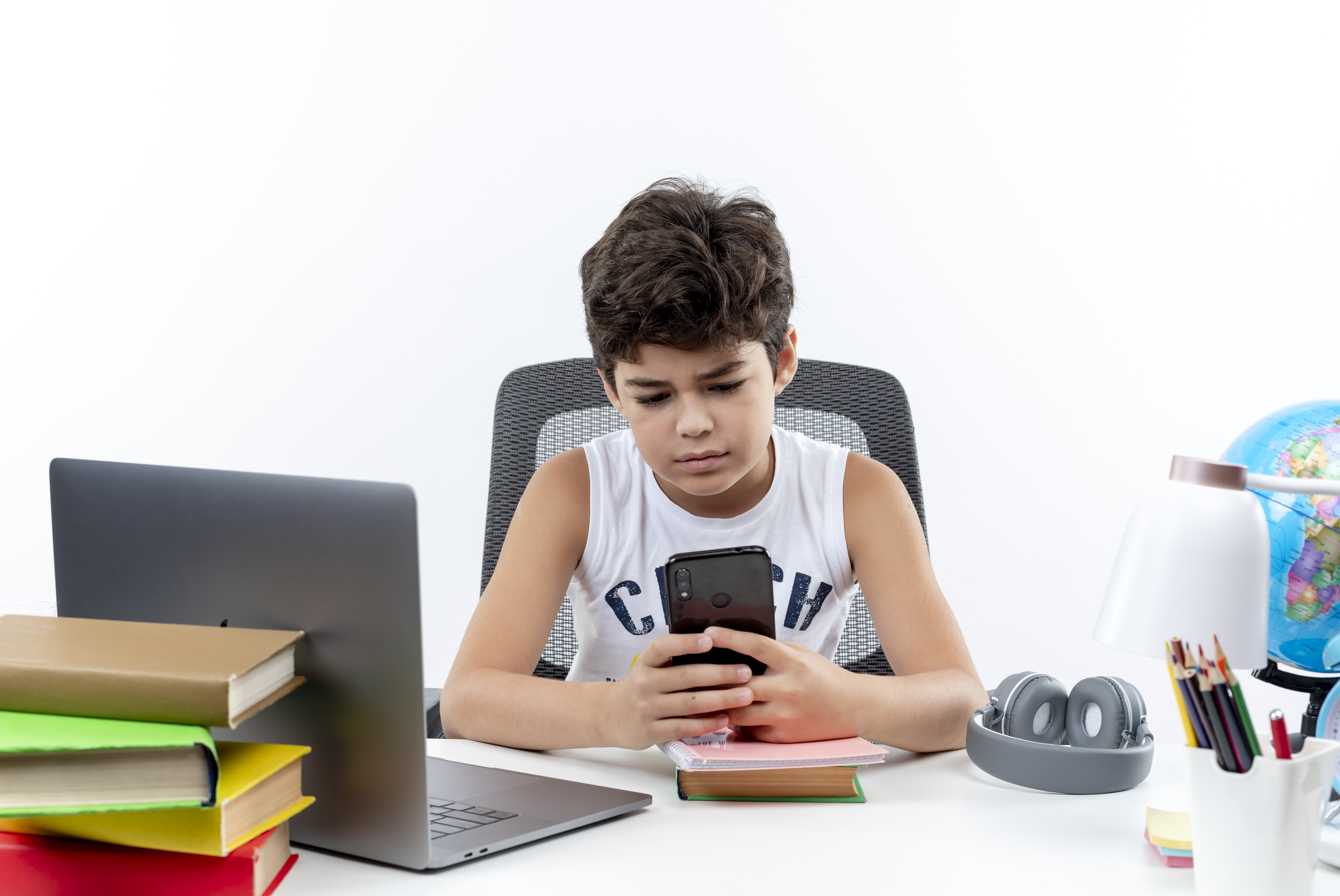
Social Media for Students: Blessing or a Dark Trap?
That late-night Instagram reel feels worth it until the panic sets in before your NEET mock test. Social media for students has both good and bad sides. It connects you to helpful chemistry videos on YouTube. However, it can also waste hours of your day and ruin your focus.
Research shows social media effects on students include both heightened anxiety and great learning opportunities. The issue is not simple. This guide shows you the good and bad parts. It gives you a 5-step plan to win back your time.
What Are the Real Benefits of Social Media for Students?
Social media for students isn't all bad. It helps you learn, connect, and grow — when used with purpose.
Here's how social media as a learning tool actually works:
Educational content: YouTube videos explain tough school topics simply. They break down chemistry, maths, and school concepts better than old textbooks. Khan Academy is free. So are many tutors on Instagram and Telegram.
Peer connection: Online study groups let you share your questions. You can swap notes and help each other stay focused. Seeing a classmate finish a tough chapter can push you to do the same.
Global awareness: Social media shows you different views, world events, and new ideas. That builds the kind of thinking skills PSC and competitive exams actually test.
One student's experience says it all: Instagram helped her find a study group for Class 12 Biology. That same app cost her three hours one Sunday. Same app. Different uses. The difference was intention.
Studies show that most students use social media for schoolwork weekly. The positive effects of social media on education are real — but only when you choose them deliberately.
How Does Social Media Hurt Student Performance and Mental Health?
Here's the hard truth. Excessive social media and academic performance don't mix well. The impact of social media on student life goes beyond wasted time.
1. Study distraction
The "distraction trap during school exam blocks" is real. You open Instagram to check one story. Forty minutes later, you're watching a travel reel about Bali. Too much screen time stresses students out. This causes a major social media distraction for students, mostly when exams are near.
2. Anxiety and comparison
You see a flawless study plan online. It has colorful notes and a clean desk. Suddenly your own preparation feels worthless. This makes you feel anxious and not good enough. Your work is not bad. You are just comparing your real life to their best moments.
3. Sleep disruption
Late-night scrolling pushes your sleep back. Less sleep means less retention. That's a direct hit on your NEET or JEE score.
4. Social media addiction in students
Most teens with phones use Instagram, Snapchat, or TikTok all the time. That level of social media addiction in students doesn't happen by accident. These apps are designed to keep you scrolling. The dopamine hit from a like or a share is real — and it's engineered.
5. Cyberbullying and misinformation
The negative impact of social media on youth includes mean online acts and fake news. Fake news about test changes or answer keys spreads fast during exams. This adds too much stress.
Between NEET prep, PSC exams, and family expectations, your phone becomes an escape. That's okay. But knowing when escape becomes avoidance — that's the skill that changes everything.
Is Social Media Good or Bad for Students? The Balanced Truth
Social media for students isn't inherently good or bad. It basically boils down to how you use it.
Let’s break it down:
Social Media as a Friend
Social Media as a Foe
Educational YouTube content
Study distraction during exam blocks
Peer study groups and motivation
Comparison anxiety and mental fatigue
Access to global resources like Khan Academy
Sleep disruption from late-night scrolling
NEET/JEE prep communities
Social media addiction cycles
Social awareness and digital citizenship
Cyberbullying and misinformation exposure
Is social media good or bad for students? Really, it’s both. Every study conveys the same message: it brings real benefits and real risks. What separates the two is your usage pattern.
Three things decide which side you land on:
Usage timing — Are you scrolling during study hours or during breaks?
Content quality — Is it educational or pure entertainment?
Self-awareness — Do you notice when you've gone too far?
The student perspective from real experience puts it simply: a lot of us end up overusing the internet without realising it. Recognizing that is the first step. Does social media affect studies? Yes — but you get to decide how.
How to Build Healthy Digital Habits: 5-Step Balance Plan
You can master your phone. Don't let it master you. This simple plan helps you win back two hours every day for studying, guilt-free.
Step 1: Do a self-awareness check
Start by tracking your screen time for three days using your phone's built-in tools. The results usually shock most students. This is how screen time management for students begins — with facts, not guesses.
Step 2: Set clear boundaries
Decide exactly when you'll check social media and when you won't. You can use the Pomodoro method: study hard for 25 minutes, then take a quick 5-minute phone break. That's managing social media and studies in real practice.
Step 3: Use block apps
Download apps like Forest or Cold Turkey. You can also use your phone's Focus Mode. These tools lock social media when you study. Digital screen time management for school children in KSA often starts with this simple step — and it works.
Step 4: Build SEL emotional regulation skills
Social Emotional Learning (SEL) helps you pause before automatically grabbing your phone. Ask yourself: "Am I bored, stressed, or do I just need a real break?" Catching yourself stops mindless scrolling right away. Healthy social media habits for students grow from this kind of emotional honesty.
Step 5: Create tech-free zones.
No phone in your bedroom during exam nights. No phone at the dinner table. These small, simple boundaries make a massive difference in your focus and sleep.
What About Parents? 5 Questions to Ask Your Teen About Online Life
Instead of taking the phone away, ask curious questions. They build trust and spark honest conversations about social media and teenagers.
These five questions work for social media use among secondary school students — without sounding like interrogations:
"What do you love about Instagram?" — Validates their interest.
"Which YouTube channels help you study?" — Acknowledges educational use.
"Have you ever felt stressed after scrolling?" — Opens a mental health conversation gently.
"What's your phone rule during exam weeks?" — Puts them in charge of their boundaries.
"Can we build a screen time plan together?" — Feels collaborative, not controlling.
For social media for school students, the goal isn't zero screen time — it's thoughtful screen time, built through judgment-free conversation.
Frequently Asked Questions
How does social media affect student performance in CBSE exams?
It takes your focus away when you study. It makes it hard to sleep well. It also makes you compare yourself to others and feel bad. However, YouTube videos can help you learn your school topics. Just watch them during your breaks. Do not use them instead of studying.
What are the pros and cons of social media for students preparing for NEET?
You can watch helpful videos, join study groups, and connect with others who study the same things. The bad parts are simple. You scroll too long and lose focus. You also feel stressed when you see other people's perfect lives.
Should students use social media during school exam weeks?
Yes — but in tiny, scheduled doses. Take a 15-minute break after every 25 minutes of study. Put your phone far away when you study. This stops you from getting distracted so you can pass your test.
How to balance social media distraction for international school students in Jeddah?
Students at these schools can stay on track in three ways. First, use study apps that fit your school lessons. Second, turn on screen limits for digital screen time management for school children in KSA. Third, join workshops at Dauha Al Uloom. They give tips on balancing screen time with CBSE curriculum preparation. Students on Sahafa Street can visit and ask about the next session.
You've Got This — Start Today
Social media for students is a powerful tool — until it takes control. The power to choose always belongs to you.
Here's what you've learned:
Benefits: Educational content, peer connection, global resources
Risks: Distraction, anxiety, addiction, cyberbullying
Solution: A 5-step balance plan using SEL skills, app blockers, and honest self-awareness
Start with one day of tracked screen time. Just one day — that single number can change everything.
Download our free Social Media Balance Tracker and begin today.
Join Dauha Al Uloom's digital wellness workshop — designed for CBSE students in Jeddah balancing exam prep with social media demands.
Follow @dauha_al_uloom @dauha_al_uloom on Instagram for 60-second focus and distraction-blocking tips.
Whether you're preparing for NEET, JEE, or CBSE finals — balanced digital habits build real academic success.